
While we think we are always years away from making changes to accommodate our aging bodies it may be sooner than we think.
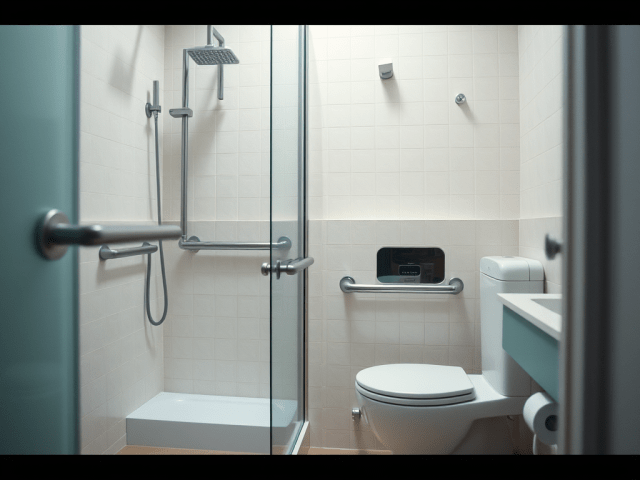
I’m a perfect example. After my fall September 24, (see my BLOG titled The Dreaded F Word) I was happy our condo was all on one level. We only have a tub, with a built in grab bar- which was a life-saver- so now we have a shower chair. At some point we will need to renovate to a walk-in shower.
I wrote this BLOG the day of my fall. After the first draft my husband and I went for our daily walk. In 40 minutes I went from a healthy independent woman to one needing a caregiver. While things are better, I’ve learned to do many daily living chores. It’s a slow go, especially with a hand that has nerve pain and numbness so mostly useless.
Here are some tips for staying in your own home as long as possible. What’s important is that it isn’t a one off checklist, rather something you might want to think about yearly as your behaviour and needs change.
Life changes immediately after a fall or a diagnosis of a disease or chronic condition.
Here’s checklist to think about as you walk through your home: (Source: National Institute on Aging)
- Throughout your home:
- Are repairs needed
- Is the house well lit- think about the top and bottom of stairs (We now carry a night light in our suitcase when we travel)
- are emergency numbers(ambulance, Poison Control, doctors,etc) and the persons home address on the fridge or near a phone
- Is there clutter on the floors (wobbly tables, magazines) that can cause falls
- Floors
- Are there tripping hazards outside or inside your house (uneven walkways, throw rugs, foot stools)
- Are carpets fixed firmly to the floor
- Are all walking areas free of furniture and extension or electrical cords
- Do you have smoke and carbon monoxide alarms Do you cheek the batteries regularly
- Stairs
- Are your stairs manageable and are the railing secure
- Do you need handrails on both sides of the stairs
- Bathrooms
- Are there grab bars near toilet, tub and shower
- Do you have non-skid adhesive strips, decals or mats places in the tub and shower? If bathroom is uncarpeted, consider placing these strips next to the tub, toilet and sink as well
- Do you have a plastic shower stool and hand held shower head to make bathing easier
- Is there a night light to make trips in and out at night safer
- Outdoors
- Are there secure locks on all outside doors and windows?
- If you were to need a walker or wheelchair , can entrances to the house be modified?
- Would it be easy to install a ramp up to your home?
- Is there a small bench by the entry door to hold bags and packages while you unlock the door?
- Is outside lighting adequate?
- Have you addressed uneven surfaces, hoses and other objects that my cause a person to trip?
Aging in place takes preplanning. How can you stay socially connected? How do you maintain a healthy diet? How can you get around if I’m no longer safe to drive?
Driving is so important to independence. As our sight fails or your reactions have slowed, or even your decision making skills aren’t quick many know we shouldn’t be on the roads, we just hate to acknowledge it. Even if you just go to the close grocery store or doctor’s office, accidents happen. Could you forgive yourself if you hit someone and changed their life forever? Learn to call taxi’s or UBERS. Don’t depend on your friends and family for rides. It’s important to be proactive.
Are you active? Can you sit on a straight chair and stand up and sit down without pushing yourself off? Rather than bend over to pick up things, can you squat? Once in a while you become dizzy when you bend over and fall. Practise helps. Do you walk regularly? Are you doing some simple, gentle weight-lifting activities? The Internet is full of great ideas. How is your balance? Can you stand on one leg while you brush your teeth? Try it.
If you have a partner, have you discussed what will happen if one passes before the other? Will the one left be comfortable staying alone or is it a good idea to get settled together in a safe place you both enjoy?
If you are single, think about who will help you? Will they have the time and strength? Or should you move sooner? There are home care options- have you looked into how to access them? So many questions and everyone is different.
Many people well into their nineties are able to safely and happily stay in their homes. Most have families or neighbours helping them with some tasks. If everyone is agreeable it’s great.
Just remember that often in a long-term home caregiving situation, the caregiver passes before the one who they are caring for. It is a huge responsibility and one that is constantly on a caregivers mind.
Think about and preplan your next quarter. If you do choose to stay in your own home your three main concerns are your bathroom, entrance way and when you give up driving.


 Joan Craven's Blog
Leave a comment