
As people move into their later years, social connection becomes more than a source of pleasure—it becomes an essential ingredient in the recipe of healthy aging. Think of it like adding salt to soup: you can skip it, but life ends up tasting a little bland. Friendships, family ties, and community involvement don’t stop mattering with age—in fact, they become even more important. Unfortunately, aging might mean reduced mobility, the loss of driving privileges, and the occasional memory blip. These changes can gently, and sometimes not-so-gently, nudge seniors toward isolation.
One of the biggest culprits is declining mobility. When walking gets tough and driving becomes something best left to younger knees and quicker reflexes, older adults may start skipping outings they once enjoyed. Before long, staying home feels easier. But too many quiet days in a row can lead to mental under stimulation. The brain, needs tending. If nothing new is happening we begin to deteriorate.
Spending too much time alone can contribute to memory issues simply because the brain gets bored. Social interaction is essentially a gym workout for brain.
Conversations require remembering details, reacting, laughing, and sometimes politely pretending you haven’t heard that same story twice this week. All of this keeps neural pathways lively and engaged. Friends also serve as excellent “external hard drives,” ready to remind one another of appointments, birthdays, and the name of that actor from that movie!
For many seniors, moving to a congregate living environment can be one of the best decisions they didn’t know they needed. Sure, leaving the house can feel emotional, but gaining a community where people actually want to play cards with you and ask how your day was is priceless.
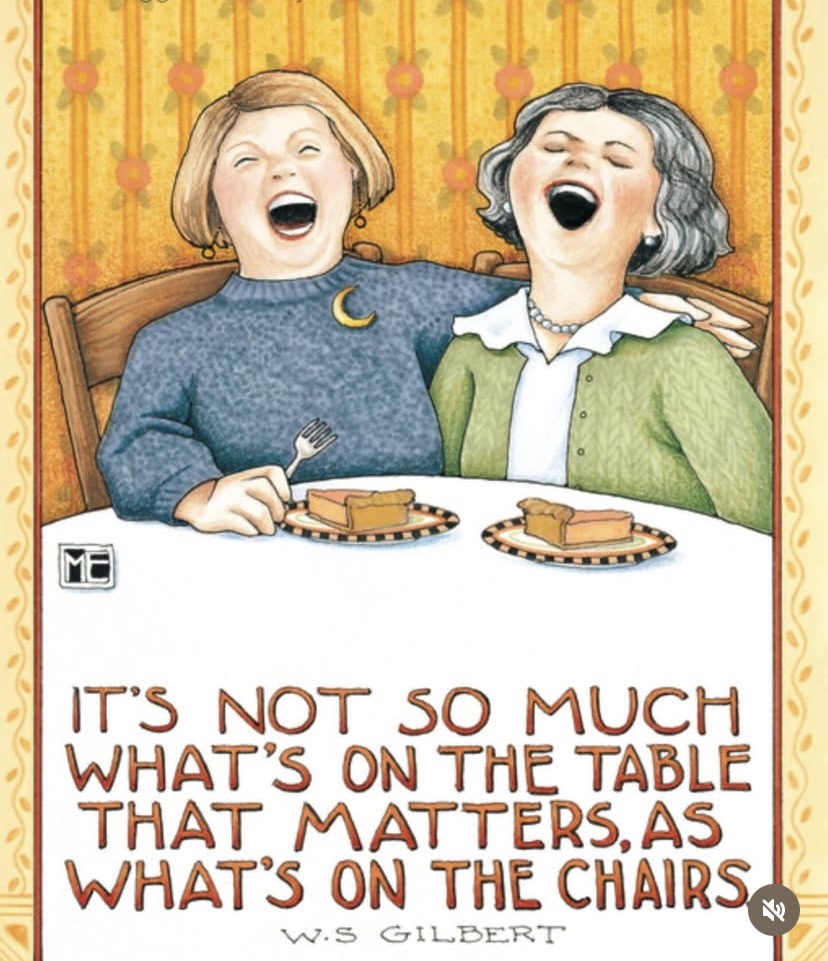
Many older adults discover that once they’re surrounded by peers—and never too far from a good conversation—their mood brightens, their days feel fuller, and their memory sharpens. It turns out laughter at the dinner table wakes up the minds.
Nutrition plays a role in healthy aging. The famous “tea and toast” diet—simple, comforting, and unbalanced doesn’t support brain health. While it’s perfectly fine as a snack, relying on it as a meal plan leaves the body running on an empty tank.
Congregate living or community meal programs often provide balanced dishes full of the nutrients seniors need. Plus, food just tastes better when you don’t have to cook it yourself and someone else does the dishes.
In the end, socializing and good nutrition protect emotional well-being and cognitive strength. Aging may bring challenges, but with connection, conversation, laughter, and proper meals, the later chapters of life can be some of the most vibrant and rewarding.


Leave a Reply